
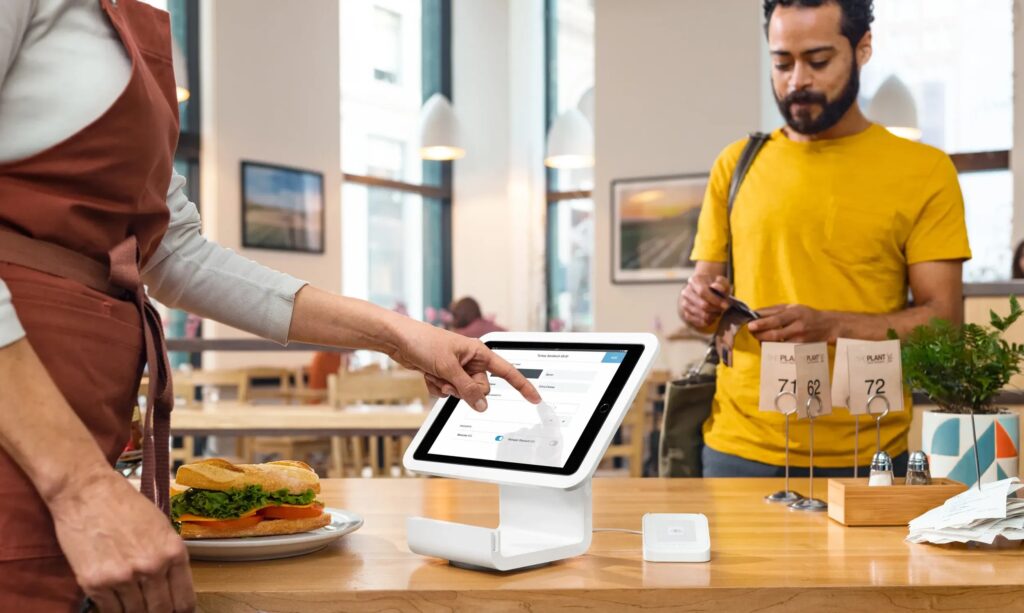
Selecting the right Point of Sale (POS) system is one of the most important decisions a business can make. A well-chosen POS system does more than process transactions—it streamlines operations, improves customer experience, and provides valuable insights into sales and inventory.
Whether you run a retail store, restaurant, or service-based business, choosing the right system requires careful planning. Below are the key steps to guide your decision.
Understanding POS System Features
Before comparing providers, it’s essential to understand what a modern POS system can offer. Today’s POS solutions go far beyond simple cash registers.
Core features to look for:
- Sales processing – Fast and secure checkout for cash, card, and digital payments
- Inventory management – Real-time tracking of stock levels and product movement
- Customer management (CRM) – Store customer data, purchase history, and preferences
- Reporting and analytics – Sales trends, performance reports, and business insights
- Multi-device compatibility – Works on tablets, mobile devices, or dedicated terminals
- Employee management – Track staff activity, shifts, and performance
Advanced systems may also include cloud access, loyalty programs, online ordering integration, and barcode scanning capabilities.
Assessing Business Needs
Every business is different, so your POS system should match your specific operational requirements.
Consider the following:
- Business type
Retail stores, restaurants, cafes, and service providers all need different POS setups. - Transaction volume
High-traffic businesses need fast, scalable systems with minimal downtime. - Mobility requirements
Do you need a fixed counter system or mobile POS for tableside or on-the-go service? - Inventory complexity
Larger inventories require advanced tracking and categorization tools. - Growth plans
Choose a system that can scale as your business expands.
By clearly defining your needs, you avoid paying for unnecessary features or choosing a system that cannot support future growth.
Evaluating Vendor Options
Once you understand your requirements, the next step is to compare POS providers.
Key factors to evaluate:
- Ease of use
The interface should be intuitive for quick staff adoption and minimal errors. - Pricing structure
Look at upfront costs, monthly subscriptions, transaction fees, and hidden charges. - Hardware compatibility
Check whether the system works with existing devices such as barcode scanners, printers, or tablets. - Customer support
Reliable 24/7 support is crucial, especially during business hours. - Security features
Ensure compliance with payment security standards (such as PCI DSS). - Integration capabilities
The POS should integrate with accounting software, eCommerce platforms, and payment gateways.
Reading reviews, requesting demos, and testing trial versions can help you make a more informed decision.
Implementing and Training on Your New POS System
Choosing the right POS system is only the beginning—successful implementation is just as important.
Steps for smooth implementation:
- Plan the setup process
Schedule installation during off-peak hours to minimize disruption. - Migrate data carefully
Transfer product, customer, and sales data accurately from your old system. - Test the system
Run trial transactions to ensure everything works correctly before going live.
Staff training is critical:
- Provide hands-on training sessions
- Create simple user guides for daily tasks
- Assign internal “super users” to assist others
- Offer ongoing refresher training if needed
A well-trained team ensures smoother operations and fewer errors during transactions.
Choosing the right POS system requires a balance between features, cost, usability, and scalability. By understanding POS features, assessing your business needs, carefully evaluating vendors, and ensuring proper implementation and training, you can invest in a system that supports long-term growth.
A strong POS system doesn’t just process sales—it becomes the backbone of your entire business operation.